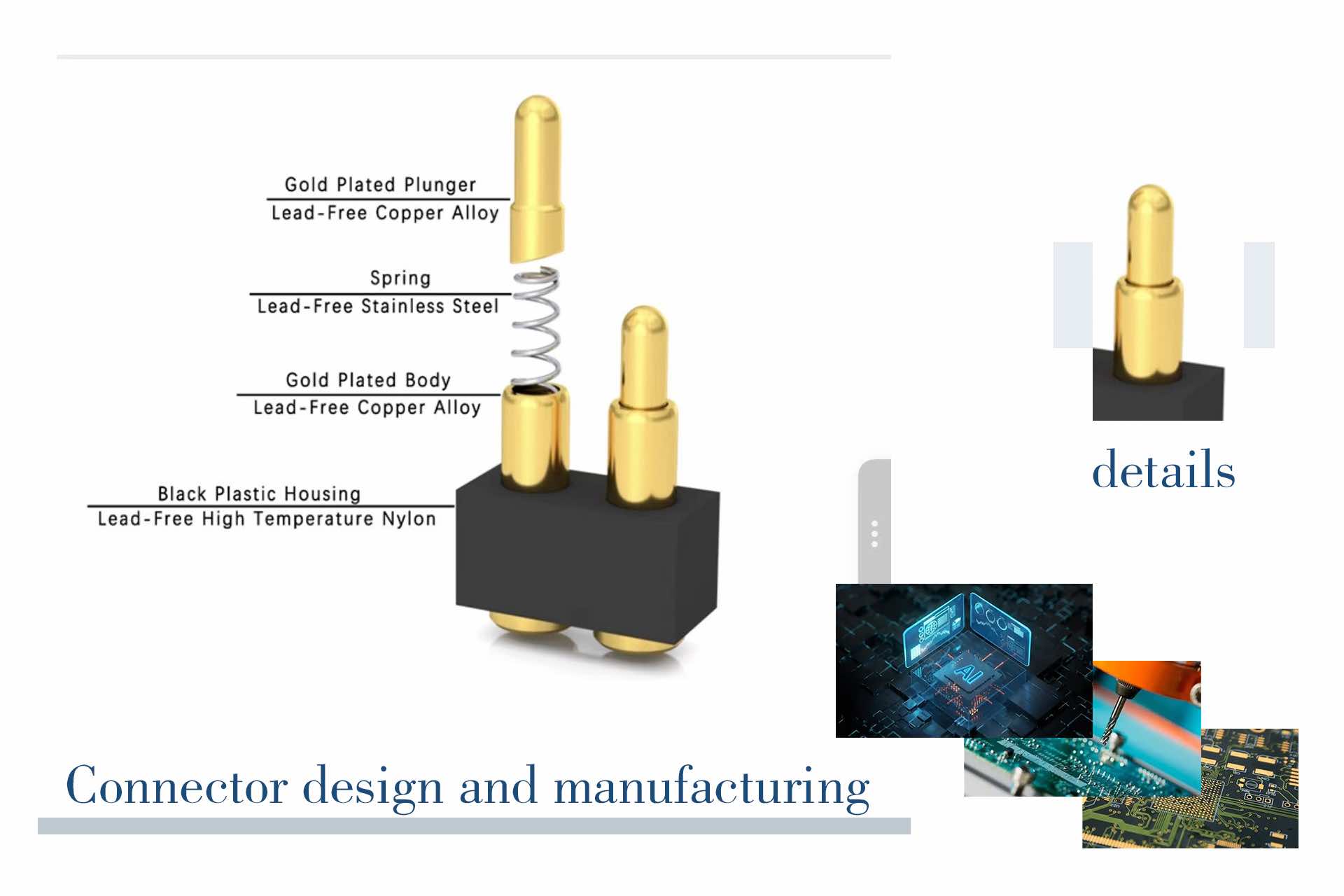
For the design of pogopin connectors with low resistance requirements, we typically employ high-durability spring materials such as stainless steel 631, beryllium copper Inconel X-750, Inconel 718, or Inconel springs.
Under the prerequisites of stable electrical conductivity and cost-effectiveness, 631 stainless steel spring wire is the most suitable choice for pogopin connectors, demonstrating exceptional performance in medical and aerospace applications. Its elasticity and lifespan significantly surpass those of 304 and 301 stainless steels. The standard lifespan requirement for a spring needle is 100,000 cycles.
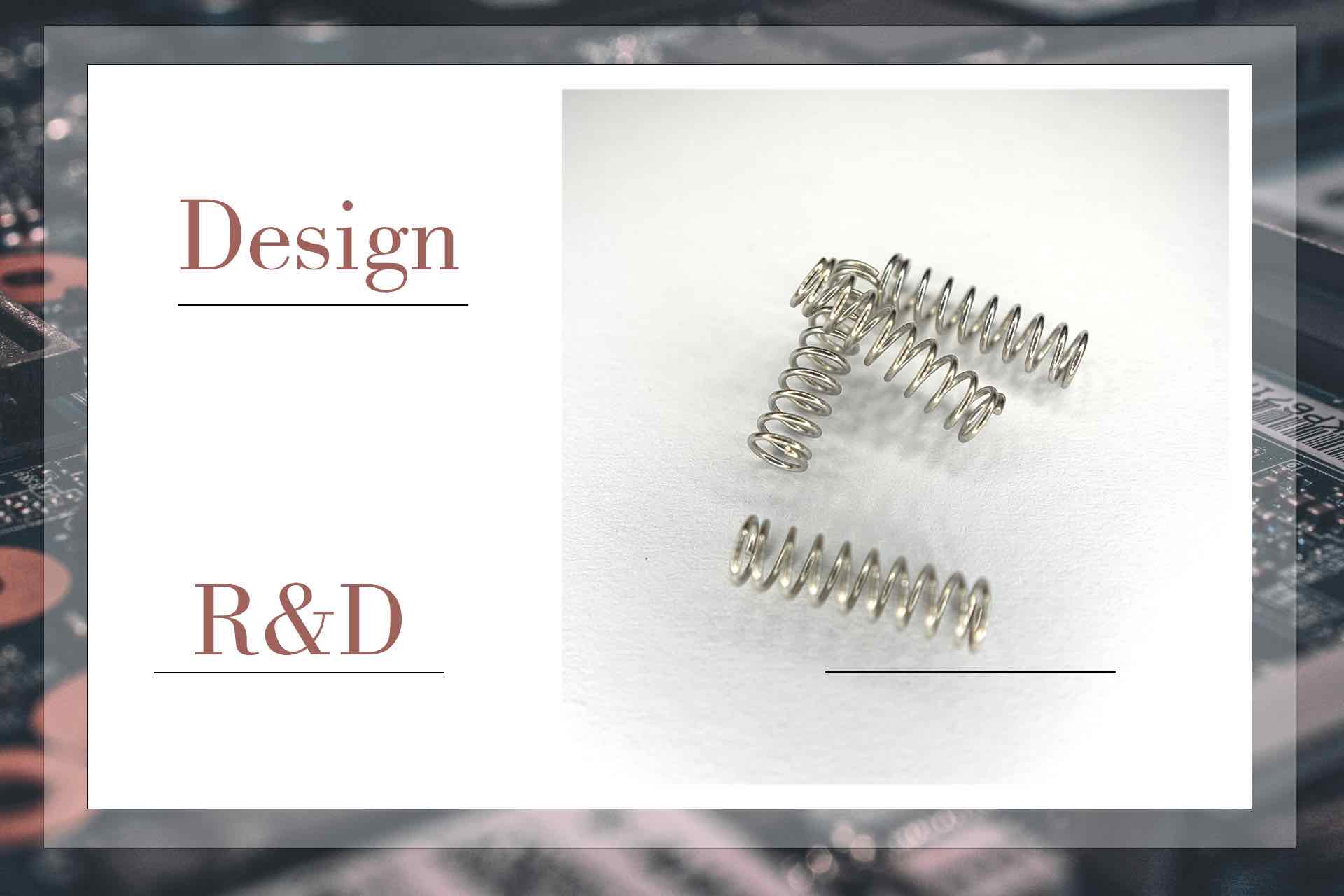
When confirming the temperature resistance of spring top pin products, the 631 stainless steel spring material can maintain stable operation within the temperature range of -40°C to 380°C for extended periods. In contrast, for the other two types of stainless steel, it is not advisable to exceed 120°C for long-term use, and the maximum long-term operating temperature for stainless steel should not exceed 200°C.
In the design of pogopin connectors, to better suit diverse environments, we must determine the surface treatment plan based on the actual usage requirements and standards of the product.
Basic standards and requirements: The conventional salt spray standard ranges from 12 to 72 hours.
The recommended electroplating surface is nickel plating followed by conventional gold plating of 10 U.
Intermediate standards and requirements: A salt spray resistance of at least 96 hours and resistance current stability within 30 milliohms are required.
The recommended electroplating surface is nickel plating followed by conventional gold plating ranging from 15U to 100U.
Special standards and requirements: Electrolytic testing, wear resistance testing, aging testing, nickel-free coating, biocompatibility, high-frequency and high-speed transmission, etc., are mandated.
Electroplating options include gold, silver, palladium, platinum, or rhodium, with thicknesses ranging from 1U to 100U, selectable based on testing standards and cost considerations.
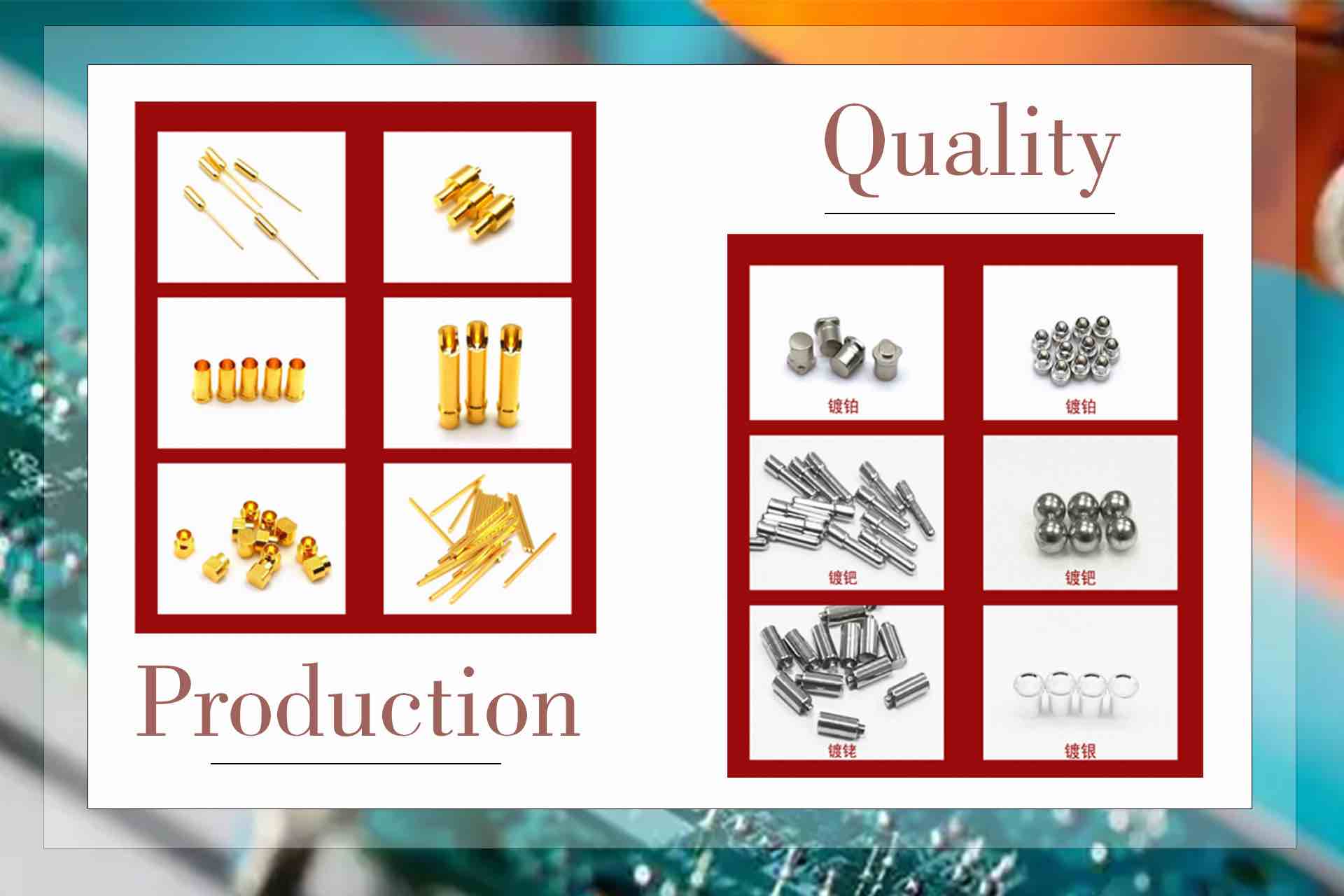
For the structural selection of low-resistance pogopin connectors, it is advisable to opt for an internal slanted head with ball bearings. This design ensures that the current signal is transmitted through the tube wall, preventing interruptions in current and signal transmission between components during vertical and horizontal vibrations.